Why Households Prefer Small Senior Care Homes for Dementia and Daily Care
@elliotdusg273
Business Name: BeeHive Homes of Portales
Address: 1420 S Main Ave, Portales, NM 88130
Phone: (505) 591-7025
BeeHive Homes of Portales
Beehive Homes of Portales assisted living is ideal for those who value their independence but require help with some of the activities of daily living. Residents enjoy 24-hour support, private bedrooms with baths, medication monitoring, home-cooked meals, housekeeping and laundry services, social activities and outings, and daily physical and mental exercise opportunities. Beehive Homes memory care services accommodates the growing number of seniors affected by memory loss and dementia. Beehive Homes offers respite (short-term) care for your loved one should the need arise. Whether help is needed after a surgery or illness, for vacation coverage, or just a break from the routine, respite care provides you peace of mind for any length of stay.
1420 S Main Ave, Portales, NM 88130
Business Hours
Choosing look after an aging parent is seldom a tidy, logical decision. It is psychological, time‑sensitive, and filled with trade‑offs that do not fit nicely into sales brochures. Over the last decade, I have fulfilled numerous households who began by touring large assisted living neighborhoods, only to quietly pivot towards small senior care homes tucked into ordinary residential neighborhoods. The reasons for that shift are seldom about glossy features. They are normally about the truths of dementia, frailty, and day-to-day life.
This article looks closely at why small senior care homes have actually become a preferred option for many individuals who need dementia assistance and hands‑on everyday care. The focus is useful: what in fact operates at 2 a.m., what households notice after the very first couple of months, and what often fails if the match is not right.
What small senior care homes really are
Terminology is confusing, partially since guidelines vary from state to state and country to nation. In many places, small homes are licensed under the exact same statutes as assisted living, residential care, or board‑and‑care. The common thread is scale and setting.
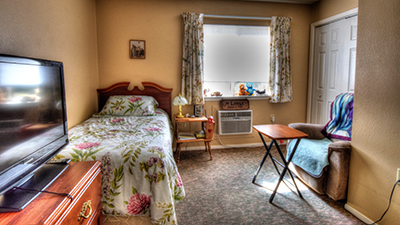
Instead of a big campus with lots or numerous homeowners, a small senior care home generally serves between 4 and 12 people. The building is often a converted single‑family house in a routine neighborhood. Bedrooms may be private or semi‑private. Shared areas look more like a household living-room and dining area than a hotel lobby.
Staffing patterns are various from big centers. Caretakers in small homes are typically universal employees. The very same person may help with bathing, prepare an easy meal, and sit at the table assisting with lunch. There is less division in between "care," "activities," and "hospitality," which can be an advantage for somebody living with dementia.
Many of these homes can provide a complete variety of elderly care short of on‑site nursing: help with dressing, continence care, medication management, supervision for roaming threat, and assistance with mobility. Some also use short‑term respite look after households who need a safe location throughout a medical facility recovery or caretaker break.
Not all small homes are alike, nevertheless. Some focus on sophisticated dementia. Others lean towards fairly independent homeowners who require help mostly with meals and medications. Part of the work for households is comprehending how the home specifies its own niche.
Why scale matters a lot for dementia
Dementia modifications how an individual processes sound, motion, and social info. A space that feels "vibrant" to a healthy grownup can feel disorderly to somebody with memory loss or impaired spatial awareness. This is where small senior care homes often shine.
In a home with 6 or 8 citizens, patterns are much easier to maintain. Breakfast usually looks the very same every day. The table remains in the same spot, the exact same caretaker pours the coffee, the same cupboard holds the cups. For a person with dementia, that predictability reduces stress and anxiety and lowers the requirement for constant cueing.
There is also less "visual noise." Corridors are brief. People are familiar. You can see the kitchen area from the living room. There are less complete strangers walking through for trips, shipments, or activity programs. For homeowners who become distressed in crowds or open spaces, the smaller scale can be a relief.
Families frequently inform me that their relative, who appeared withdrawn in a big assisted living community, ends up being more engaged after moving into a smaller setting. They may start helping fold towels or set the table due to the fact that it looks like a genuine home job, not a staged activity. The intimacy of the environment invites participation rather of passive observation.
Of course, small environments are not immediately calm. An over‑stimulating tv, a loud roomie, or a consistent stream of visitors can still overwhelm. The distinction is that in a small home, it is simpler for staff to discover and change quickly, because everything takes place within sight and earshot.
The human side of daily care
The most compelling advantage of small senior care homes, in my experience, is continuity of relationships. In a big structure, staffing schedules turn throughout systems and shifts. A resident with dementia may connect with a lots or more caretakers in a single week. Even the most devoted staff member has a hard time to understand individual choices deeply when spread out across 30 or 40 residents.
In a small home, the caregiving group is smaller and more steady. A resident might consistently see the same 3 or 4 caretakers. That stability matters when you need intimate help with bathing, toileting, or consuming. It minimizes the worry and resistance that can accompany individual care for someone who can not fully comprehend why a stranger is undressing them.
I remember a woman in her late seventies, let us call her Maria, who had moderate Alzheimer's disease. She ended up being upset whenever personnel attempted to help her shower in a big assisted living memory unit. With lots of citizens on the schedule, personnel had limited time to gradually build trust and adapt. After she relocated to a small home, one caretaker took the lead and was always the "bath assistant." Over a few weeks, that caregiver found out Maria's preferred water temperature, the sequence that made her feel safe, and even a preferred tune from her youth. Showers ended up being uneventful. The job was the same. The distinction was the relationship and the capability to personalize.
Daily care in a small home likewise tends to blend more naturally with regular life. Rather than a structured "activity calendar," engagement may appear like slicing vegetables at the kitchen counter, watering plants, folding laundry, or resting on the front deck watching community kids ride their bikes. These small minutes, repeated daily, can do more for quality of life than occasional large events.
That said, households ought to take notice of how well a specific home deals with dullness and under‑stimulation. A small setting without sufficient structure can move into a pattern where citizens spend hours in front of the television. The very best homes stabilize the comfort of home life with deliberate, meaningful engagement.
Assisted living vs small homes: what families in fact notice
On paper, a licensed small home and a conventional assisted living neighborhood may list extremely similar services. Both may guarantee help with activities of daily living, medication administration, housekeeping, meals, and some level of dementia assistance. Families often ask, "If the services are the same, why do individuals state small homes feel so various?"

Key distinctions that families typically report consist of:
- Atmosphere: Small homes frequently feel like going to a relative, while larger assisted living buildings can feel more like hotels or clinics.
- Staff interaction: Caregivers in small homes generally have more time per resident and can stick around in conversation without feeling they are "behind on a corridor."
- Flexibility: Homes with a handful of homeowners can more quickly change mealtimes, regimens, and even menu items to specific preferences.
- Visibility: In a small home, nearly everything is within a short walk. Families can see how staff engage with everybody, not simply their own relative.
- Transitions: Moves within the structure (for instance, from assisted living to a separate memory care wing) are less common in small homes, because the whole home currently operates at a higher support level.
The contrast is not always in favor of the smaller option. Big assisted living communities might be better equipped for robust on‑site physical therapy, organized outings, beauty salons, and a wider variety of structured programs. For senior citizens who are still rather social and mobile, that can be a major plus.
The question is not which model is "much better" however which environment fits the individual's current and most likely future needs.
Why small homes fit sophisticated dementia especially well
As dementia progresses, the priority often moves from broad social engagement to comfort, security, and emotional security. At that stage, households tend to value the following aspects of small senior care homes.
Consistency of faces. A person with sophisticated dementia might not keep in mind names, but they recognize tone of voice, touch, and basic presence. Seeing the same caregivers every day decreases worry. It also helps personnel spot subtle changes in health, since they understand what is normal for that individual.
Simplified navigation. Big structures can be disorienting even with color‑coded halls and memory cues. In a small home, strolling from the bedroom to the kitchen area includes fewer choice points, which reduces fall threat and wandering potential. Outside spaces, such as a fenced backyard or patio, are easier to supervise.
Easier adjustment to habits. Responsive behaviors like pacing, rummaging, or calling out are common in advanced dementia. Staff in a small home can customize the environment on the fly: turning on soft music, rerouting somebody into a quiet corner, including them in a simple task. They are less constrained by institutional regimens or fixed staffing assignments.
End of‑life familiarity. Many households find it comforting that their loved one can stay in the very same bed, surrounded by the very same caregivers, through the last stage of life, typically with hospice services layered in. Moving someone in late‑stage dementia to a brand-new and unknown center can be deeply destabilizing.
There are limits, of course. If somebody's medical complexity surpasses what unlicensed or minimally licensed caregivers can handle, a competent nursing center may be safer. Some small homes partner carefully with checking out nurses and hospice groups to bridge that space, while others can not. Families must ask specific concerns about what takes place when medical needs increase.
How small homes support families, not simply residents
A good small senior care home does not simply care for the resident; it soaks up the family into its orbit. That often feels different from the experience in a bigger center, where managers may change frequently and interaction paths are formal.
In smaller settings, relative usually know every staff individual by given name, consisting of the over night shift. They see supervisors in the house, not simply in a workplace. When something modifications with Mom's appetite or Dad's sleep, the upgrade tends to come rapidly and personally. That builds trust, which is valuable for families managing regret, sorrow, and practical logistics.
Respite care is one location where small homes are especially important. Some accept brief stays of a week or a month, permitting exhausted family caregivers to recharge or travel. Because the environment is home‑like and not overwhelming, individuals with dementia are more likely to endure the temporary modification without extreme distress. And if the respite stay goes especially well, it sometimes ends up being a trial run for longer‑term placement.
Financial openness can likewise be clearer in smaller homes. Instead of layered cost structures with add‑on charges for each new service, many small homes use an all‑inclusive daily or monthly rate that covers common elderly care needs. Families still need to inquire about bonus, such as incontinence supplies, transport, and hairstyles, however the baseline is typically more straightforward.
Trade offs and limitations to keep in mind
If small senior care homes were ideal, every household would flock to them. They are not. Comprehending the drawbacks upfront helps you make a practical, durable choice.

Amenities and stimulation. Individuals who thrive on range might discover a small home confining. There is no on‑site theater, art studio, or restaurant. Trips depend upon personnel accessibility and transportation logistics. A resident used to an active assisted living lifestyle might feel their world has diminished unless the home is intentional about community involvement.
Medical support. Even when certified for assisted living level care, many small homes do not have full‑time nurses on website. They depend on on‑call nurses, checking out professionals, and local clinics. For somebody with unstable cardiac, respiratory, or injury concerns, that plan may be inadequate. You require clearness on how the home manages immediate medical changes, health center transfers, and return‑from‑hospital care.
Regulatory variability. In some jurisdictions, oversight of small residential care homes is less robust than for large centers. That does not immediately indicate lower quality, but it increases the value of your own due diligence. Ask about evaluation history, staff training, and how the home deals with complaints or incidents.
Staffing threats. While connection is a strength, an extremely small team is vulnerable to disturbance. If two crucial caregivers leave, the whole environment can move. Ask how the company hires, trains, and supports staff, and what their backup strategy is throughout disease or turnover.
Family dynamics. The intimacy that numerous households enjoy can also feel exposing. There is less anonymity than in a huge building. Stress in between resident households, or differences in expectations, might feel more personal in a six‑bed home than in a 120‑apartment community.
How to examine a small senior care home
Tours and pamphlets have limits. The strongest predictors of a great fit are typically found in the information you observe when staff are not attempting to impress you. When checking out, focus more on the day-to-day rhythm and interactions than on décor.
Here is a short, practical set of questions to direct your evaluation:
- How numerous caretakers are on duty throughout the day, night, and overnight, and how many residents do they support?
- What particular training and experience do personnel have with dementia, movement concerns, and challenging behaviors?
- How are medical requirements dealt with, including medication management, urgent circumstances, and coordination with physicians or hospice?
- What does a typical day look like for somebody with your loved one's abilities, including meals, rest, and engagement?
- Under what scenarios would the home ask a resident to vacate, and how much notice would they give?
Ask to visit more than when, at various times of day. Late afternoon and early night, when residents are exhausted and staff are hectic, can be revealing. Focus on smells, noise levels, and whether personnel speak respectfully when they think nobody is listening.
If possible, talk with another family whose relative lives there. Ask what shocked them after move‑in, what they want they had actually known previously, and how the home reacted when something went wrong.
Cost, worth, and reasonable expectations
Families often assume smaller need to suggest more pricey. In truth, rates varies extensively, and small homes can sometimes be similar to, or perhaps more affordable than, big assisted living neighborhoods of comparable care level. Numerous factors influence cost.
Staff to‑resident ratio is a major chauffeur. A home that keeps one caretaker for every single three or four citizens around the clock will cost more than a center where one caretaker is responsible for a lots individuals in the evening. Greater ratios, nevertheless, frequently equate into much better outcomes for people with dementia who need regular cueing and supervision.
Location matters as well. Residences in thick metropolitan locations with high real estate and labor costs will normally charge more than those in distant suburbs or rural towns. Licensing classification, private or shared rooms, and whether rates is all‑inclusive or tiered based on care needs likewise affect the bottom line.
When comparing choices, it assists to look past the raw dollar figure and consider what you are purchasing. That includes decreased hospitalizations, less emergency situation crises in the house, and the intangible however really genuine worth of family assurance. I have actually dealt with caretakers who spent months attempting to maintain someone at home with patchwork supports, only to recognize later on that the cumulative expense and psychological toll far exceeded what a well‑chosen small home would have required.
At the same time, expectations should stay grounded. A small home can not eliminate the development of dementia. There will still be tough days, behavioral changes, and medical crises. The real procedure of quality is how the home responds when things fail: with patience, honest interaction, and a determination to adapt, or with blame and defensiveness.
When a bigger setting may be the better choice
Although this short article focuses on factors families favor small homes, it would be misleading to present them as the default answer in every scenario. Larger assisted living or specialized memory care communities have strengths that can be decisive.
They often offer more robust on‑site clinical existence, especially if they utilize full‑time nurses, therapists, or going to physicians. For an elder with both dementia and complex persistent illnesses, that integrated assistance can minimize emergency room visits.
Activity programs in larger neighborhoods tends to be wider. If your relative still delights in concerts, group exercise, spiritual services, or trips to museums and restaurants, a huge campus with dedicated life enrichment beehivehomes.com senior living staff may keep them more engaged. Some people with early‑stage dementia discover peer interaction in such environments energizing instead of overwhelming.
Families likewise in some cases value the clear separation of functions in larger settings. There are dedicated housemaids, dining personnel, and maintenance teams. Demands go through known channels. While that can feel administrative, it can likewise indicate issues are attended to by individuals whose sole job is to fix them.
The choice point frequently arrives when dementia advances and the stimulation that once helped begins to overwhelm. At that phase, some locals shift from the bigger neighborhood into a smaller, quieter home, either on the very same campus or elsewhere in the area. Preparation ahead for that possibility can prevent rushed relocations after a crisis.
Pulling it together for your family
If you are weighing alternatives for assisted living, dementia support, or short‑term respite care, it assists to believe less in regards to building labels and more in terms of fit.
Ask yourself how your loved one has actually lived throughout their life. Were they most in the house in small, familiar circles, or did they draw energy from bustling environments? Do they feel more secure when they can see and hear everything going on around them, or do they choose retreat and quiet? How do they react to noise, modification, and strangers right now, not 10 years ago?
Then look at your own capability and requires as a household caretaker. A well‑chosen small senior care home can end up being an extension of your family, absorbing a few of the physical work and psychological pressure while you stay present as a kid, daughter, partner, or buddy. It is not a failure to accept that assistance. For many elders, it is the plan that best safeguards their dignity as dementia and frailty progress.
The strongest choices come when families take time to visit multiple settings, ask tough questions, and listen not just to what the staff say, however to how their loved one reacts to the environment. Over the years, I have actually seen dozens of households breathe out with relief when they discover that quiet home on a tree‑lined street, where the living room smells like soup on the stove and somebody who understands their parent by name is gently assisting them to the table.
That is generally when they realize why numerous people, dealing with the same agonizing decisions, wind up preferring the scale and soul of a small senior care home for dementia and day-to-day care.
BeeHive Homes of Portales provides assisted living care
BeeHive Homes of Portales provides memory care services
BeeHive Homes of Portales provides respite care services
BeeHive Homes of Portales supports assistance with bathing and grooming
BeeHive Homes of Portales offers private bedrooms with private bathrooms
BeeHive Homes of Portales provides medication monitoring and documentation
BeeHive Homes of Portales serves dietitian-approved meals
BeeHive Homes of Portales provides housekeeping services
BeeHive Homes of Portales provides laundry services
BeeHive Homes of Portales offers community dining and social engagement activities
BeeHive Homes of Portales features life enrichment activities
BeeHive Homes of Portales supports personal care assistance during meals and daily routines
BeeHive Homes of Portales promotes frequent physical and mental exercise opportunities
BeeHive Homes of Portales provides a home-like residential environment
BeeHive Homes of Portales creates customized care plans as residents’ needs change
BeeHive Homes of Portales assesses individual resident care needs
BeeHive Homes of Portales accepts private pay and long-term care insurance
BeeHive Homes of Portales assists qualified veterans with Aid and Attendance benefits
BeeHive Homes of Portales encourages meaningful resident-to-staff relationships
BeeHive Homes of Portales delivers compassionate, attentive senior care focused on dignity and comfort
BeeHive Homes of Portales has a phone number of (505) 591-7025
BeeHive Homes of Portales has an address of 1420 S Main Ave, Portales, NM 88130
BeeHive Homes of Portales has a website https://beehivehomes.com/locations/portales/
BeeHive Homes of Portales has Google Maps listing https://maps.app.goo.gl/1xZDfURp3wt4uv3T6
BeeHive Homes of Portales has TikTok page https://tiktok.com/@beehive.home.of.portales
BeeHive Homes of Portales has an YouTube page https://www.youtube.com/@WelcomeHomeBeeHiveHomes
BeeHive Homes of Portales has Facebook page https://www.facebook.com/BeeHiveHomesOfPortales
BeeHive Homes of Portales has Instagram page https://www.instagram.com/beehivehomesofportales/
BeeHive Homes of Portales won Top Assisted Living Homes 2025
BeeHive Homes of Portales earned Best Customer Service Award 2024
BeeHive Homes of Portales placed 1st for New Mexico Senior Living Communities 2025
People Also Ask about BeeHive Homes of Portales
What is BeeHive Homes of Portales Living monthly room rate?
The rate depends on the level of care that is needed. We do a pre-admission evaluation for each resident to determine the level of care needed. The monthly rate is based on this evaluation. There are no hidden costs or fees
Can residents stay in BeeHive Homes of Portales until the end of their life?
Usually yes. There are exceptions, such as when there are safety issues with the resident, or they need 24 hour skilled nursing services
Do we have a nurse on staff?
No, but each BeeHive Home has a consulting Nurse available 24 – 7. if nursing services are needed, a doctor can order home health to come into the home
What are BeeHive Homes of Portales's visiting hours?
Visiting hours are adjusted to accommodate the families and the resident’s needs… just not too early or too late
Do we have couple’s rooms available?
Yes, each home has rooms designed to accommodate couples. Please ask about the availability of these rooms
Where is BeeHive Homes of Portales located?
BeeHive Homes of Portales is conveniently located at 1420 S Main Ave, Portales, NM 88130. You can easily find directions on Google Maps or call at (505) 591-7025 Monday through Sunday 9:00am to 5:00pm
How can I contact BeeHive Homes of Portales?
You can contact BeeHive Homes of Portales by phone at: (505) 591-7025, visit their website at https://beehivehomes.com/locations/portales/ or connect on social media via TikTok Facebook or YouTube
RibCrib BBQ offers a relaxed dining environment where residents in assisted living, memory care, senior care, elderly care, and respite care can enjoy hearty meals with family.